Which wine with raclette? Raclette is winter on a plate: a convivial, generous, noisy dish where cheese mingles with good cheer. Yet when it comes to opening a bottle, the same doubt always arises: white? red? bubbles? Or should you dare a rosé? Don’t panic: here we break down the why, the how and the when, with concrete examples, mistakes to avoid, our selection of Alsace wines and a short FAQ answering the questions that come up around the steaming raclette grill.
Understanding raclette to choose your glass
Before naming a single grape variety, ask yourself what this dish does in your mouth:
| Raclette sensation | Effect on the palate | What the wine must bring |
|---|---|---|
| Richness of the melted cheese | Coats the palate, becomes tiring | Acidity and freshness to “rinse” |
| Salt (cheese and cured meats) | Hardens tannins, brings bitterness | Low-tannin wines or whites |
| Intense flavours (smoke, gherkins, truffle) | Can overwhelm a delicate wine | A white with body or a fruity red |
| Temperature of the dish | Piping-hot cheese, saturated palate | A wine not too cold, but lively |
Golden rule: always look for freshness (to cleanse), the right body (to stand up to smoke and spices) and soft tannins (if you serve red).
The three rules of a quick pairing
Rich? Choose acidity
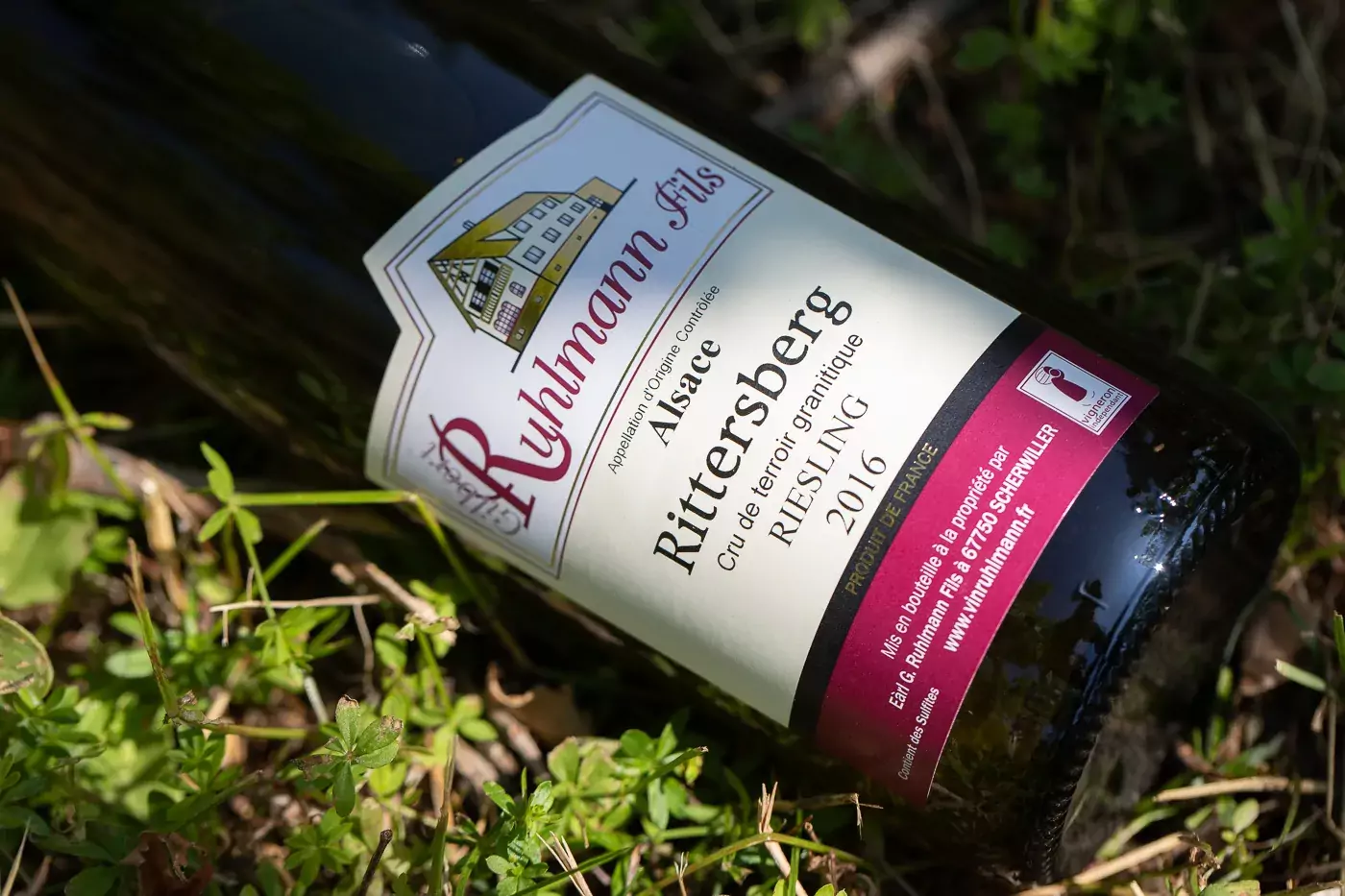
Dry, crisp whites such as Riesling, Sylvaner Vieilles Vignes or Pinot Blanc Auxerrois are the natural partners of melted cheese: their tension literally “lifts” the cheese off the palate.
Salt and firm tannins: watch out for bitterness
With the salt of the cheese and cured meats, powerful reds turn harsh, almost metallic. Choose a light, low-tannin red such as our Pinot Noir.
Smoked meats? A fuller white
Round, with smoky notes and a touch of sweetness (medium-dry), Pinot Gris has enough body to stand up to smoked ham and air-dried meat. With a truffle or morel raclette, it echoes the aromas.
Quick wine and raclette pairing table
| Raclette | Our go-to wine | Why? | Another choice from the estate |
|---|---|---|---|
| Classic (cheese and potatoes) | Riesling | Sharp acidity, citrus notes | Sylvaner Vieilles Vignes, Pinot Blanc Auxerrois |
| Smoked meats | Pinot Gris | Roundness, smoky notes | Pinot Gris Ortenberg |
| Truffle, morels | Pinot Gris Ortenberg or Gewurztraminer | Aromatic match and texture | Lerchenbuehl, a dry white aged in barrels |
| “I want red” | Pinot Noir | Fine tannins, crisp fruit | Pinot Noir Rosé |
| Aperitif | Crémant d’Alsace Brut | Bubbles, fresh attack | Crémant Rosé d’Alsace |
| Big gathering | Edelzwicker | Light, fresh, easy-drinking | Riesling Scherwiller, to go up a notch |
Wines to discover: Riesling, Pinot Gris, Pinot Noir, Crémant d’Alsace, Edelzwicker
A closer look: why does it work?
- Acidity versus richness: think of a squeeze of lemon on smoked salmon. The feeling of lightness it creates is exactly what Riesling brings to melted cheese.
- Tannins versus salt: salt hardens tannins, so a young, powerful red seems rough. A lightly extracted Pinot Noir stays silky.
- Body versus smoke: the richness of cured meats calls for a wine that “goes the distance”. With its roundness, Pinot Gris plays that role.
- Bubbles versus heat: the heat of the dish tires the palate, and the bubbles stimulate salivation and prevent heaviness. To learn all about our bubbles, read our guide Crémant d’Alsace: how is it made?
The five mistakes that ruin the pairing (and how to fix them)
| Mistake | What happens | The fix |
|---|---|---|
| Full-bodied or oaky red | Bitterness, a feeling of heat | A light Pinot Noir, served slightly cool |
| Sweet white from the start | Quickly cloying | Start with a dry wine, keep the sweet one for dessert |
| Ice-cold wine | Muted aromas, aggressive acidity | Take the bottle out of the fridge 15 minutes beforehand |
| One wine for everything | Part of the table is left wanting | A duo of Crémant and Riesling, or Riesling and Pinot Gris |
| No glass of water | Dehydration, headaches | Alternate with still or sparkling water between two pans |

Four ready-made scenarios
“Simple and effective”
- Aperitif: Crémant d’Alsace Brut
- Meal: Riesling
- The idea: a fresh common thread that everyone enjoys.
“Cured-meat lovers”
- Meal: Pinot Gris
- Plan B: a glass of Riesling for those who want something lighter.
“Team red”
- Meal: Pinot Noir, served at around 14 °C
- Tip: keep the bottle cool between servings (bucket, pantry, balcony): next to the grill, wine warms up quickly.
“Truffle and morels”
- Meal: Pinot Gris Ortenberg or Gewurztraminer
- Serving: at around 10 °C, to let the aromas open up.
Temperatures, quantities, order of service
| Wine | Temperature | Its role |
|---|---|---|
| Crémant d’Alsace | 5 to 7 °C | Wakes up the taste buds |
| Dry, crisp white (Riesling, Sylvaner, Pinot Blanc) | 8 to 10 °C | Cuts through the richness |
| Full, aromatic white (Pinot Gris, Gewurztraminer) | 8 to 10 °C | Echoes smoke and truffle |
| Light red (Pinot Noir) | Around 14 °C | Fruit and freshness |
Quantities: one bottle for 2 to 3 guests (plan generously if the aperitif goes on).
Order: bubbles first, then the dry white, the fuller white and, if you like, the red.
And to finish the meal?
After a raclette, a fruit dessert is welcome. Now is the time to open the sweet wines you kept aside: Muscat Vendanges Tardives with a fresh fruit dessert, Gewurztraminer Vendanges Tardives with a dried fruit dessert, or Riesling Vendanges Tardives, balanced between sweetness and freshness, with a fruit tart. Lighter, the Crémant Rosé d’Alsace goes very well with a light dessert.
Your raclette selection, to order online
- For 4 people: 1 Crémant d’Alsace for the aperitif, 1 Riesling and 1 Pinot Gris for the meal.
- For 8 to 10 people: 2 Crémants d’Alsace, 2 Rieslings, 1 Pinot Gris and 1 Pinot Noir: every taste and every stage of the meal is covered.
We deliver to France, Germany, Belgium and the Netherlands. Delivery is free from €240 in Germany, Belgium and the Netherlands, and from €180 in France. You can also come and taste the wines at our cellar in Scherwiller: let us know you are coming.
Frequently asked questions
Which white wine with a plain raclette?
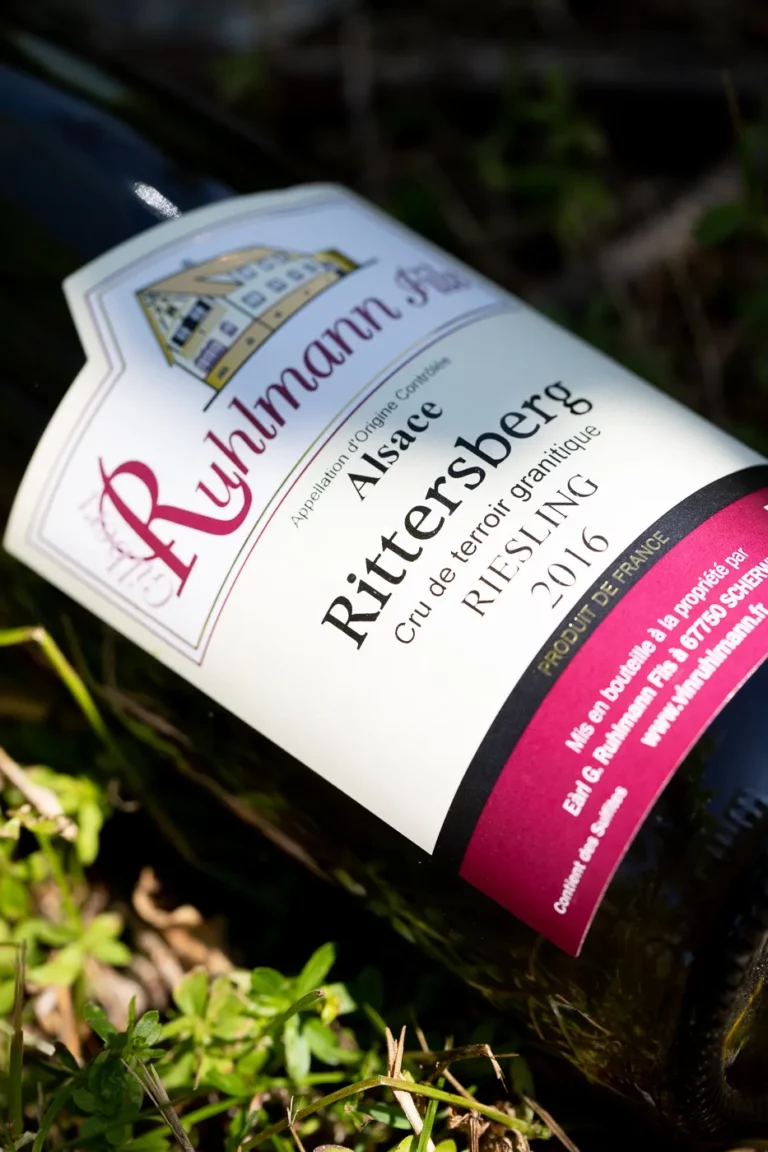
Go for a dry Alsace Riesling: its lively acidity acts like a blade of freshness that “lifts” the richness of the melted cheese, and its lemony finish resets the palate before each bite. Not keen on very sharp wines? Try Pinot Blanc Auxerrois: dry as well, but softer and rounder.
Can you really drink red wine with raclette?
Yes, as long as you choose a low-tannin red and serve it slightly cool, at around 14 °C. Alsace Pinot Noir, light and fruity with no excess tannin, brings crisp red fruit that clashes neither with the salt of the cheese nor with the cured meats. Avoid oaky or very tannic reds, however: with salt, they turn harsh and dry out the mouth.
Does Gewurztraminer go with raclette?
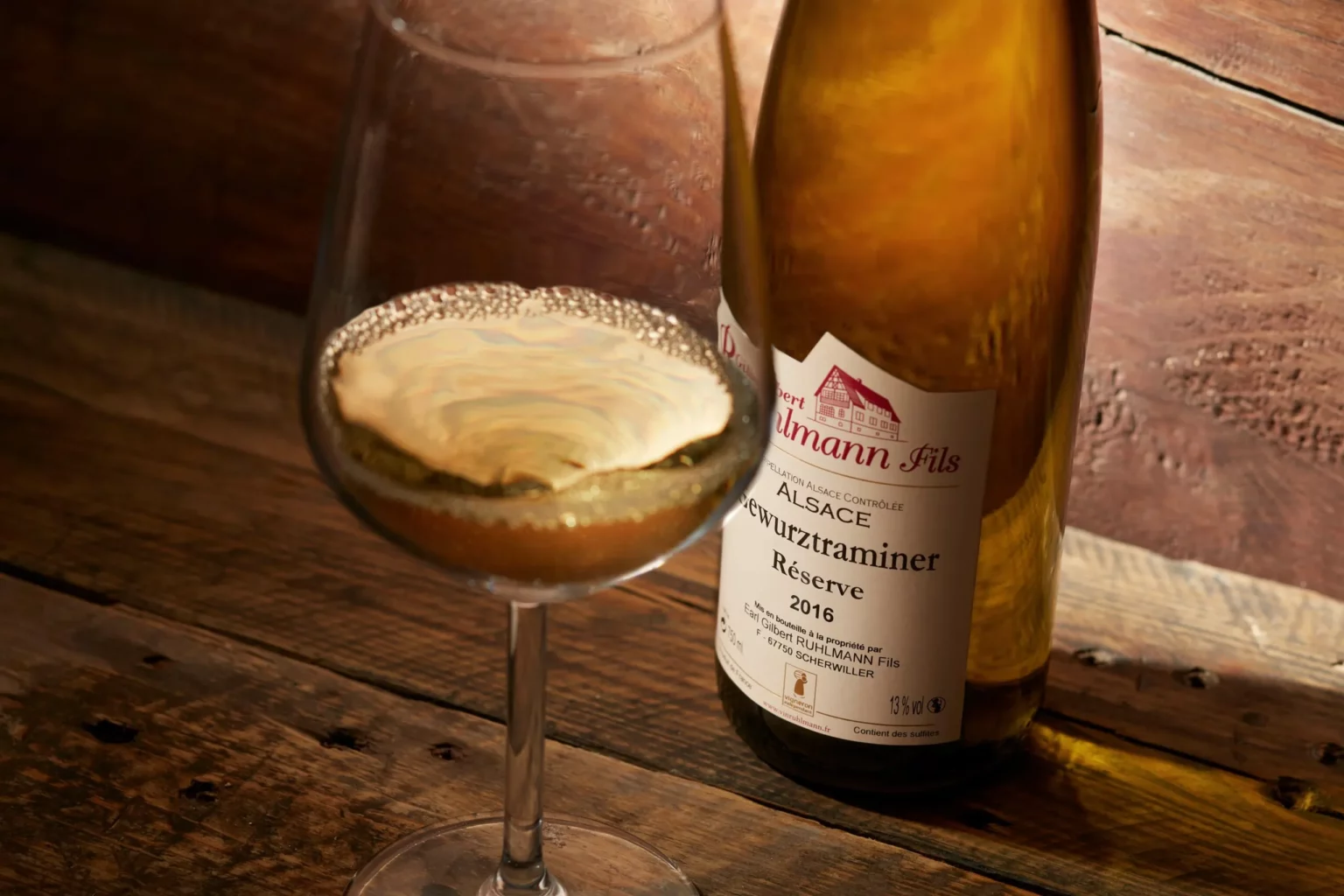
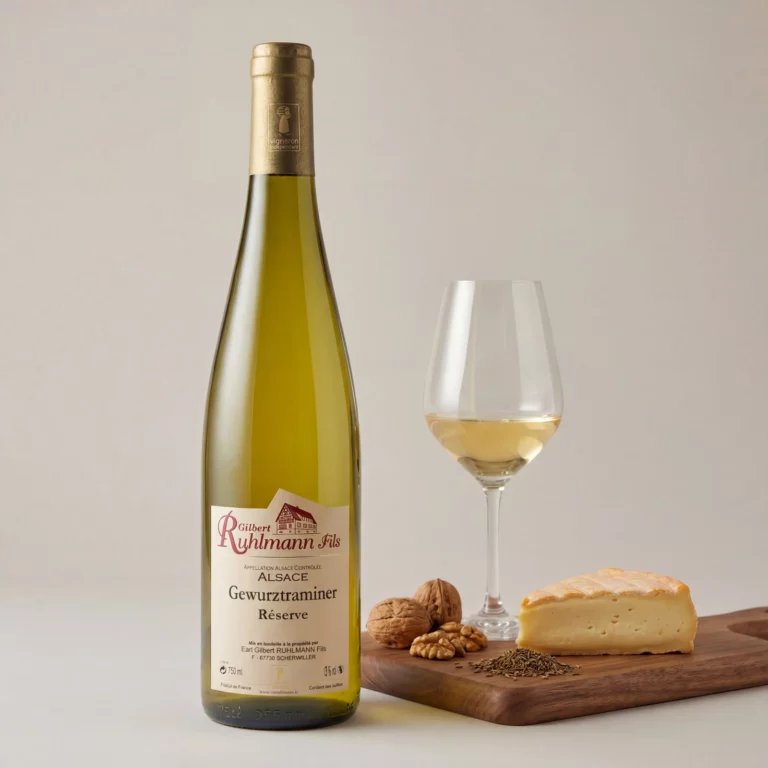
Yes, with certain raclettes. Our Gewurztraminer is medium-dry and very aromatic (exotic fruit, spices, rose): it works wonders with a truffle or morel raclette and with strong cheeses. With a classic raclette, keep it for the end of the meal, and serve it between 8 and 10 °C.
Can you serve Crémant throughout the meal?
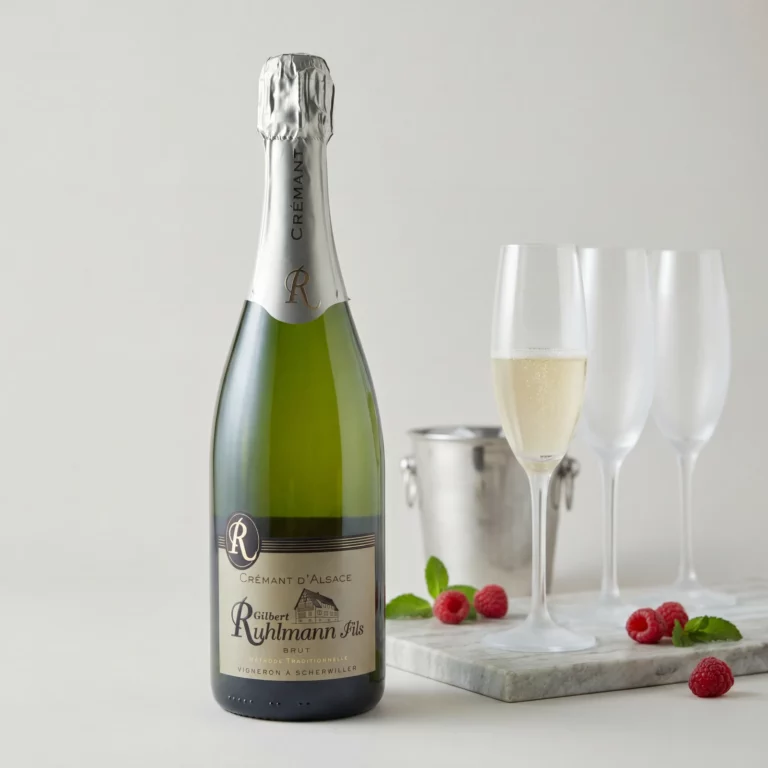
Yes. Crémant d’Alsace Brut can accompany the whole raclette: its bubbles and freshness lighten the melted cheese from one pan to the next.
How many bottles should you plan so you don’t run out?
Count 1 bottle for 2 to 3 guests when there is a Crémant aperitif followed by continuous service at the table. If you only serve a dry white, or a white and light red duo, plan 1 bottle for 2 people: raclette is salty and makes you thirsty. For a large group (8 to 10 people), plan a mix: 2 Crémants, 2 Rieslings, 1 Pinot Gris and 1 Pinot Noir.
As a toast…
A successful raclette is first and foremost cheese that stretches and friends who laugh. Choosing the right wine is the cherry on the wheel of cheese: the one that refreshes, revives the appetite and makes the evening last. A dry white for purity, a fuller white for indulgence, a light red for conviviality, bubbles for momentum, and you will never hesitate in front of your wine rack again.
Cheers… and enjoy your raclette!