Our wines
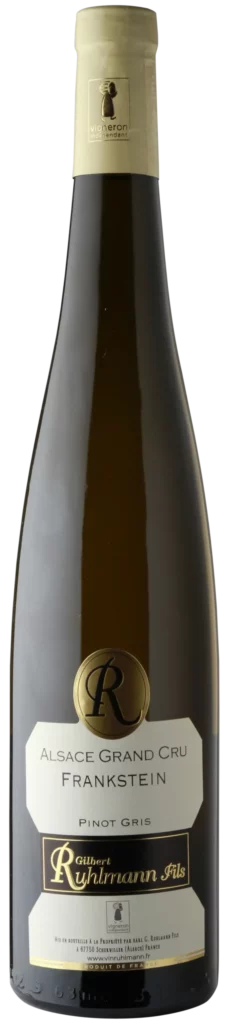
Rittersberg, Ortenberg, Scherwiller, Lerchenbuehl and Grand Cru Frankstein: wines that tell the story of their soil before their grape variety.
Terroir first
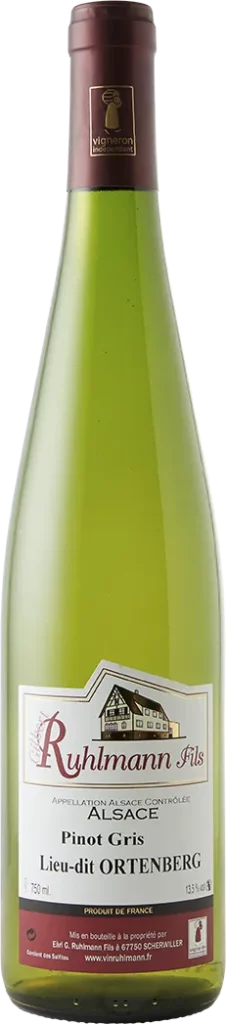
Terroir wines from precisely defined areas (the Rittersberg and Ortenberg sites, the Scherwiller communal appellation, the Lerchenbuehl mixed planting at the Auberge Ramstein). The identity of these wines comes first from geology and exposure, even before the grape variety. Wines that breathe the granite terroirs of Scherwiller, aiming to produce great white wines, especially dry ones.
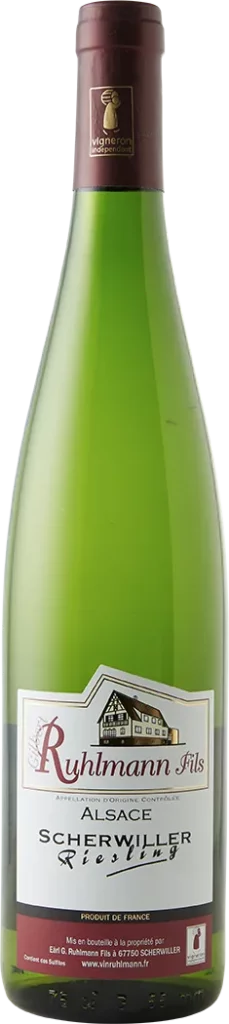
In Scherwiller, a village built on the alluvial fan of the Giessen, the vines take root in very stony, free-draining, early-ripening soils that produce finely chiselled, elegant wines. It is one of the few places in Alsace to have its own communal appellation (Scherwiller), reserved for Riesling and renowned for its mineral structure and finesse.
8 wines
Our terroirs
Around the village, two granite hillsides and an alluvial fan shape our range.
Two-mica granite
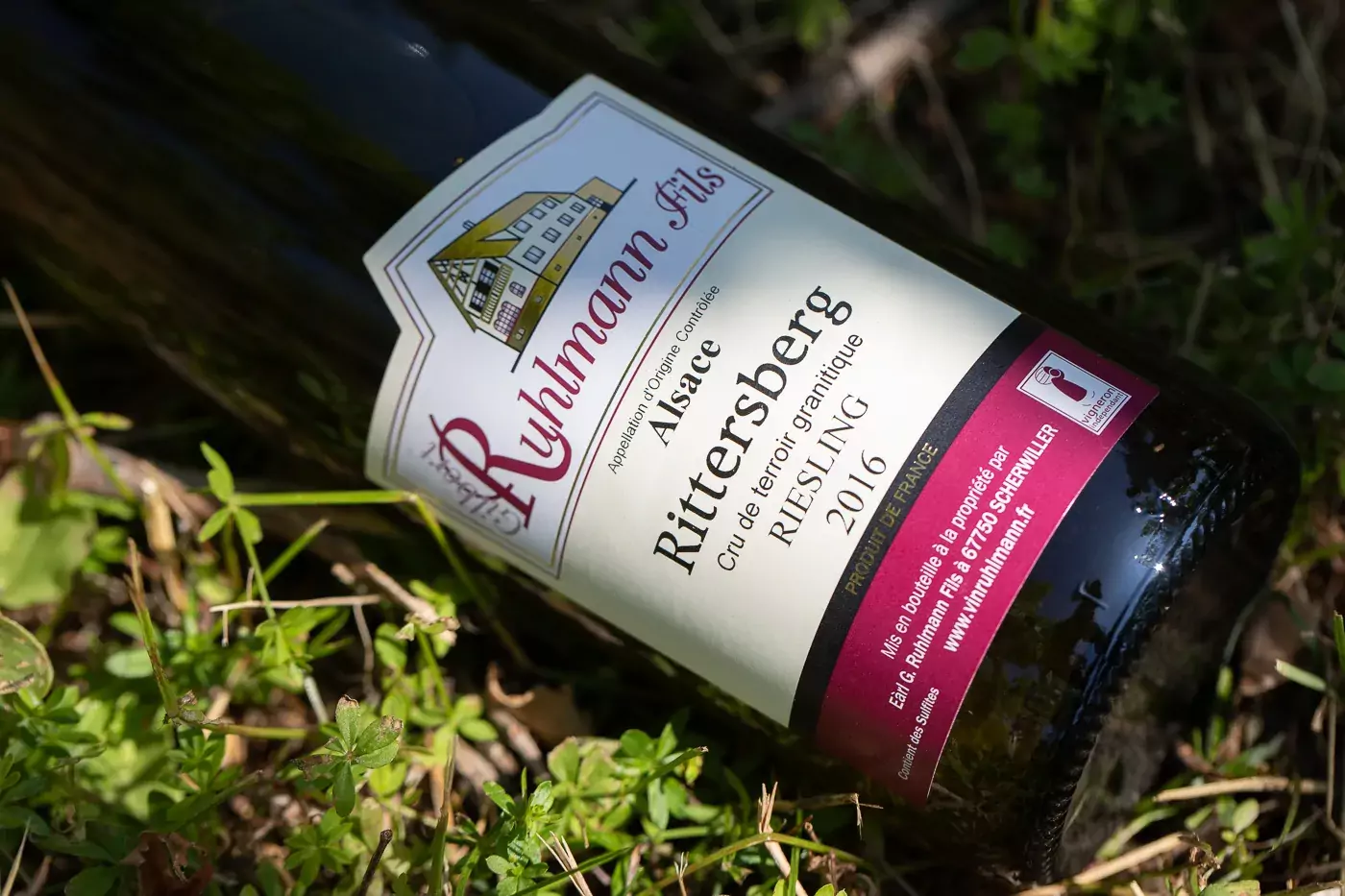
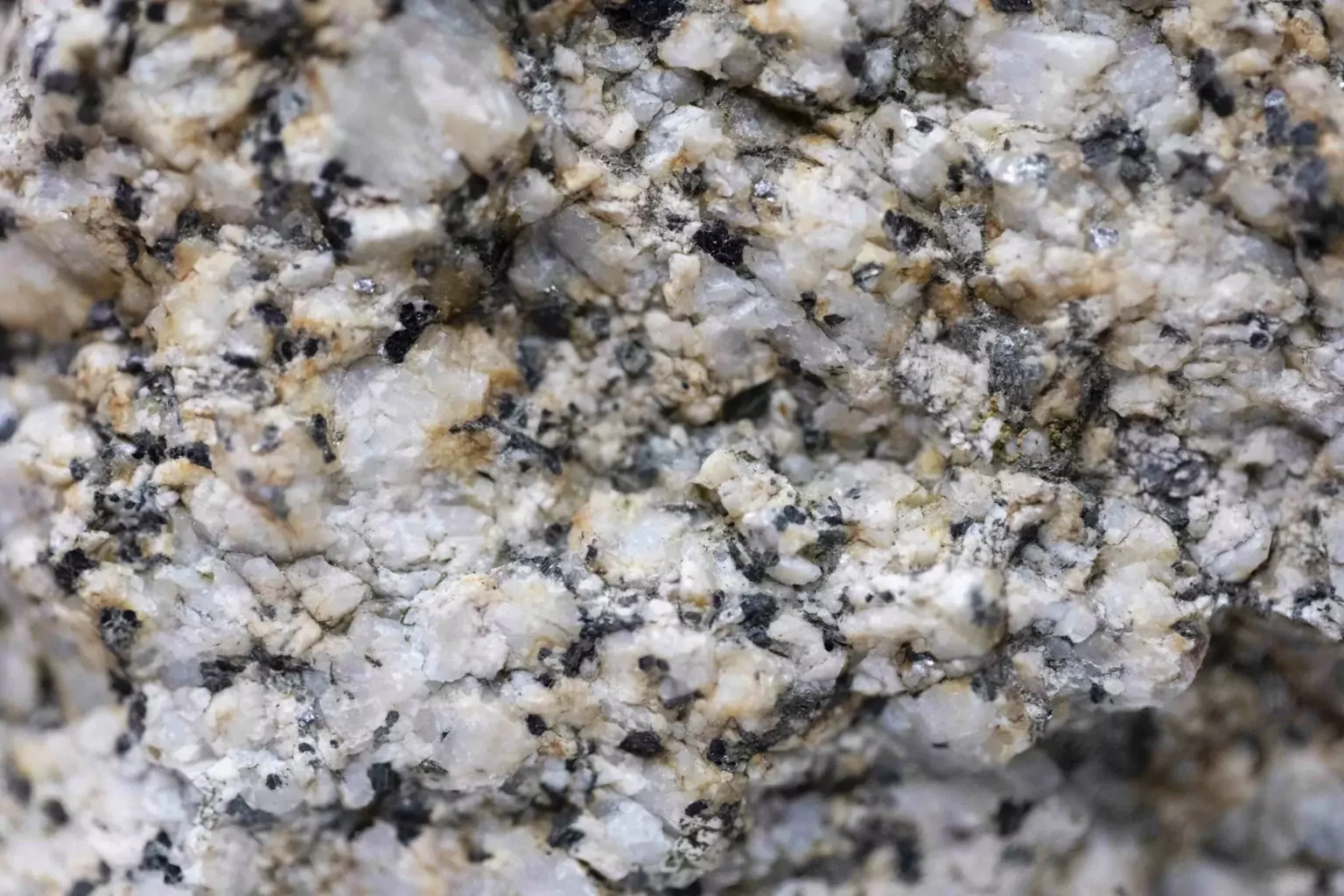
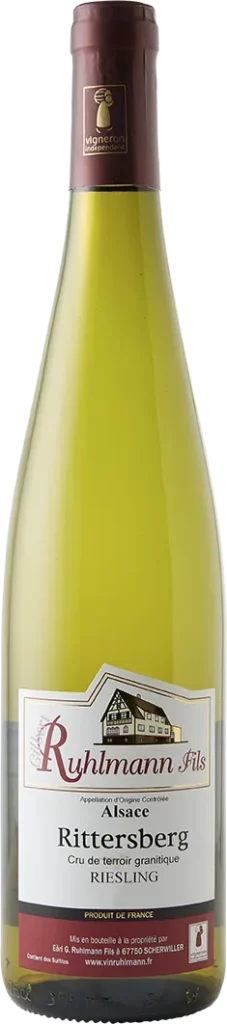
Two-mica granite, facing south/south-east: a saline, vertical style, made for fine dining. Stony, free-draining soils low in clay, which force the vines to root deep. The wines gain tension and precision, with a saline finish. Riesling shines here with its white flowers (acacia, linden) and its long finish.
Deep granite
Deeper granite: a thicker layer (fine sand, silt), more even ripening, more expressive fruit, roundness on the palate, typical smoky notes. A more generous, fruity and smoky expression, particularly accomplished in Pinot Gris.
Communal appellation
Alluvium from the Scherwiller fan: siliceous pebbles and gravel mixed with sand and silt. Warm, free-draining soils for a vibrant, flowing style with a clear mineral grain. The decree reserves this appellation for Riesling only.
Old vines on alluvial soils
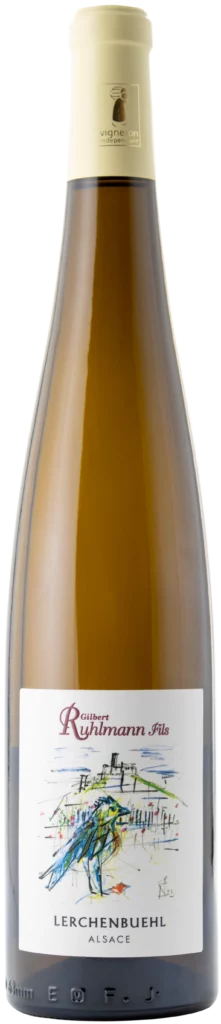
A historic plot (belonging to the Auberge Ramstein) planted with mixed old vines on alluvial soil, aged in large vessels for a full, dry and very food-friendly signature.
Granitic sand
Located in the neighbouring village of Dambach-la-Ville, facing south/south-east. Hillsides of two-mica granitic sand (warm and early-ripening) produce a very food-friendly Pinot Gris: a full texture, fine, saline minerality and airy floral notes that take over from the grape's typical smokiness. These free-draining slopes store heat during the day and release it at night, ensuring even ripening.
Indulgent cuvées
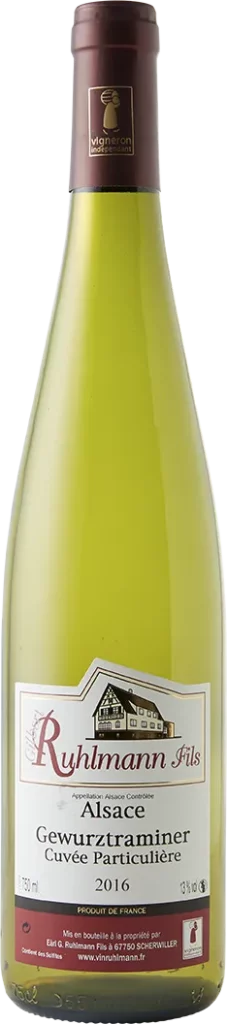
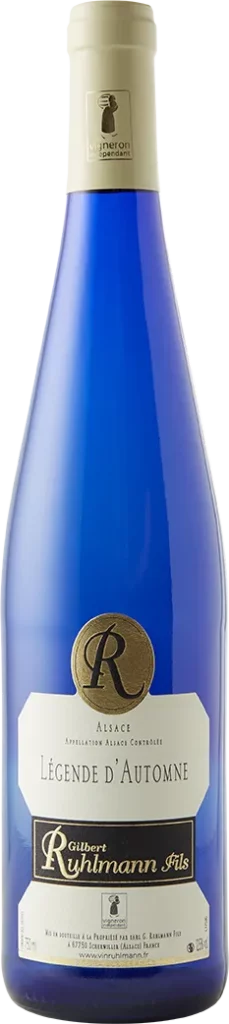
Two more indulgent (medium-sweet) cuvées: Légende d'Automne, the estate's emblematic bottle (overripe Pinot Gris), and the Gewurztraminer Cuvée Particulière (a parcel selection).
Committed winegrowing
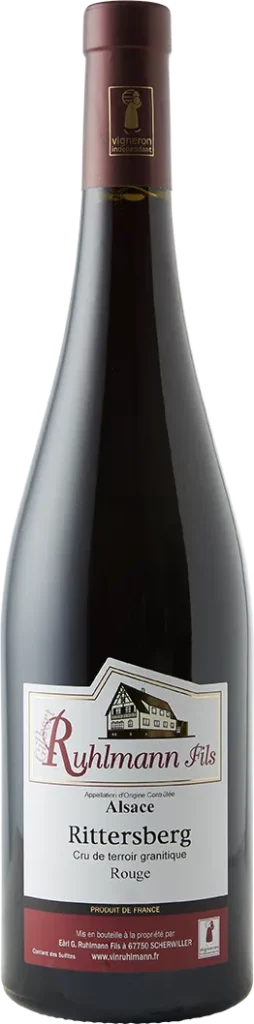
Our terroir wines are certified High Environmental Value (HVE): sustainable, integrated winegrowing, controlled yields, hand harvesting for some cuvées, and carefully chosen ageing (stainless steel, barrels/600 L casks) to best respect the identity of each site. The result: precise wines, often dry or medium-dry (Lerchenbuehl, Riesling Rittersberg and Scherwiller, Pinot Noir Rittersberg, Pinot Gris Ortenberg).
What is the difference between a Tradition wine and a terroir wine?
Tradition wines aim for the pure expression of the grape variety (accessible, everyday wines), while terroir wines put the precise site first (Scherwiller, Rittersberg, Ortenberg, Lerchenbuehl), which shapes ripeness, acidity, texture and minerality. The Tradition wines page focuses on easy access and the emblematic grape varieties; here, we go into detail about soils, exposures, yields and ageing.
Why is Riesling the only grape variety of the Scherwiller appellation?
Because the appellation decree reserves Scherwiller for Riesling only: on very stony, free-draining siliceous alluvium, the grape offers elegance and precision with pronounced minerality.
Rittersberg or Ortenberg: which style to choose?
Rittersberg (two-mica granite, south/south-east): tension, salinity, great length, wines made for the table and for ageing. Ortenberg (deeper granite, east): generous fruit, roundness, smoky notes (superb in Pinot Gris).
Are these wines certified?
Yes, all these cuvées are produced through HVE-certified sustainable winegrowing, with hand harvesting on some plots and yields adapted to each site (see each cuvée's product page).